Roof Replacement Cost Guide: What Homeowners & Businesses Need to Know
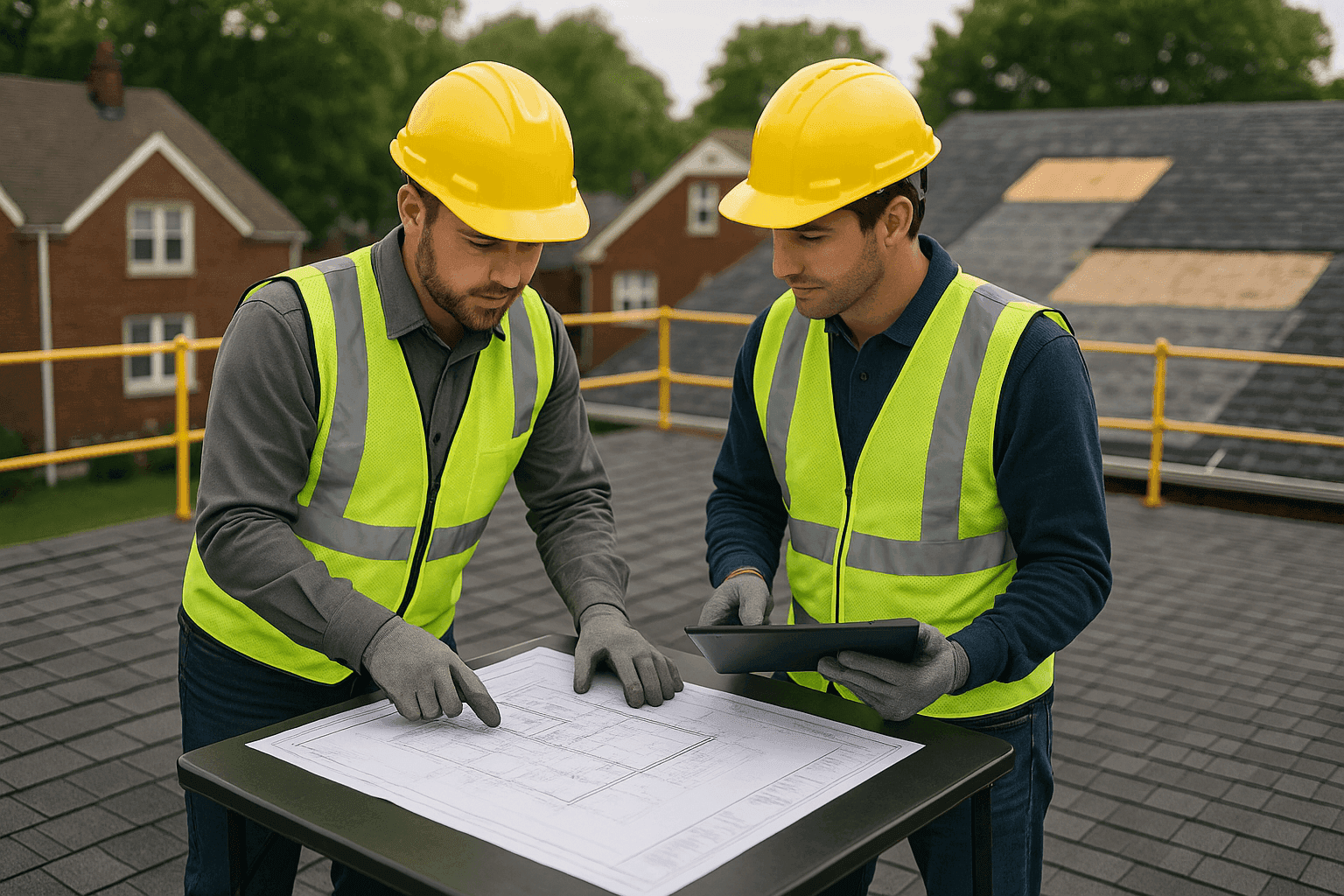
Is your roof starting to show its age? Maybe you’ve spotted leaks, missing shingles, or just have that nagging feeling it’s time. You’re not alone. Every year, hundreds of homeowners and businesses face the same puzzle: What will a roof replacement really cost?
At Platinum Construction, we know this decision can feel like staring up at a thundercloud—unpredictable, a little overwhelming, and potentially expensive. But it doesn’t have to be a mystery. Understanding the real costs, what drives them, and how to plan ahead can make all the difference.
Factors That Affect Roof Replacement Cost 🏗️
Roofing isn’t one-size-fits-all. Like tailoring a suit, every roof comes with its own set of measurements, materials, and quirks. Here’s what can shift the price tag up or down.
Materials Make a Big Difference
- Shingle Roofing: Asphalt shingles are the workhorses of the roofing world—affordable, familiar, and widely used. They’re typically the least expensive option but may not last as long as pricier materials.
- Metal Roofing: Durable and sleek, metal roofs shrug off hail and high winds. Expect a higher upfront investment, but a lifespan that can outlast two or three shingle roofs.
- Tile Roofing: Clay or concrete tile looks stunning, especially on Mediterranean-style homes. Heavier and more expensive, but built to last decades.
- Flat Roofs: Common for commercial buildings, these often use membrane systems like TPO or EPDM. Installation and repair costs depend on material and complexity.
Roof Size and Complexity
- Square Footage: The bigger the roof, the more materials and labor required.
- Pitch: Steep roofs are harder (and riskier) to work on. That means more labor hours and higher safety requirements.
- Architectural Features: Chimneys, skylights, valleys, and decking near you can all require extra flashing, cutting, or sealing.
Labor: The Human Hand
Labor costs depend on experience, safety requirements, and local wage rates. In most cases, labor is a significant chunk—often as much as 40–50% of the final bill.
Disposal and Cleanup
Old shingles, underlayment, nails, and flashing don’t just disappear. Disposal costs for debris can be surprisingly hefty, especially if you’re swapping out heavy materials like tile or slate.
Other Factors
- Permits and Code Requirements: Local building codes (refer to the International Building Code for standards) may require special underlayment, hurricane strapping, or ice barriers.
- Accessibility: Hard-to-reach roofs or those surrounded by landscaping, fencing, or narrow driveways may cost more to access safely.
Residential vs. Commercial Roof Costs
Not all roofs are created equal. Homes and businesses face very different realities when it’s time for a new roof.
Residential Roofing
Home roofs—think shingles, tile, or metal—usually cover less square footage. Residential jobs tend to be quicker, with fewer layers and simpler flashing or gutter installation needs. Average costs (based on industry data) can range from several thousand dollars for a small home to tens of thousands for large or luxury builds.
Commercial Roofing
Commercial roofs are often flat or low-slope, covering much more space. Materials like TPO, PVC, or built-up roofing are common, each with its own cost and lifespan. Commercial projects may require special equipment, structural repair, roof flashing repair, or additional code inspections. This can mean higher overall costs—but sometimes lower costs per square foot, thanks to economies of scale.
Key Differences
- Complexity: Commercial roofs often involve more layers, insulation, and drainage planning.
- Warranty and Code: Commercial jobs may need extended warranties or insurance for liability.
- Access: Equipment like cranes or lifts may be required for larger, taller buildings.
How to Estimate Your Roof Replacement Budget
Budgeting for a new roof shouldn’t feel like a guessing game. Here’s how to make sense of the numbers.
Measure First, Ask Questions Later
- Get Accurate Measurements: Know your roof’s square footage and pitch. This helps roofers provide apples-to-apples estimates.
- Material Choices: Decide if you want a standard shingle, metal, or eco-friendly option. Each comes with a different price and lifespan.
- Labor Rates: Request a breakdown. What’s included? Does it cover deck repair, flashing, sealants and coatings, or just shingle removal?
Tips for Comparing Quotes
- Scope of Work: Make sure each quote lists the same work—tear-off, underlayment, flashing, gutter installation, etc.
- Warranty: Check what’s covered, and for how long. A lower price may mean less coverage.
- Red Flags: Beware of estimates that seem too good to be true, or lack detail. Vague language can hide future “surprises.”
Insurance and Storm Damage
If your roof replacement is related to storm damage restoration, contact your insurance provider early. Your policy may cover some or all repairs, but documentation is critical. Insurers will usually require a professional inspection and a detailed estimate before approving work.
Seasonal Factors
- Storm Season: Demand (and prices) can spike after a major weather event.
- Winter: Cold weather may slow down installation, add costs for heating materials, or even require rescheduling for safety.
Hidden Expenses and How to Avoid Them
It’s what you don’t see that can trip you up. Here’s what often catches homeowners and businesses off guard.
Decking and Structural Surprises
Sometimes, the wood beneath your shingles or tiles—called decking—has hidden rot or water damage. Replacing decking or making structural repairs can add thousands to your bill.
Flashing, Vents, and Skylights
Roof flashing, chimney flashing, and skylight repair or installation may not be included in basic quotes. Make sure these are itemized.
Disposal Fees
Heavy materials and large roofs mean more debris. Ask if your quote includes dumpster rental and haul-away.
Permit Costs
Some municipalities charge significant permit fees for roof replacement. Confirm if these are included or extra.
Change Orders
If you add services mid-project—like new gutter installation, insulation upgrades, or leak repair—expect a change in your final bill.
Pro Tip: Ask your roofer to walk the roof with you before work begins. Review the scope, potential problem areas, and ask for a “worst-case scenario” estimate—so you’re not blindsided.
Budget-Friendly Roofing Options
Quality matters, but so does your bottom line. Here’s how to stretch your budget without sacrificing protection.
Material Choices
- Architectural Shingles: A step up from basic three-tab, these offer better durability and curb appeal for a modest price increase.
- Metal Panels: Some metal roofing styles are more affordable, especially for low-slope or shed roofs.
- Coatings and Sealants: For flat commercial roofs, modern coatings can extend life at a fraction of replacement cost.
Maintenance as Investment
Regular inspections, gutter cleaning, and preventative maintenance catch small issues before they become wallet-draining disasters.
Financing Options
Roof replacement is a big investment. Many contractors offer financing or work with third-party lenders. Just read the terms carefully and budget for interest if necessary.
Eco-Friendly Options
Cool roofs, solar shingles, and recycled materials may qualify for tax incentives, rebates, or insurance discounts. Check with Energy Star and state energy programs for details.
How to Spot Red Flags in Roofing Quotes
Trust your gut—and your eyes. Here’s what to watch out for:
- Unusually Low Bids: This can mean corners are being cut, or hidden fees are lurking.
- Lack of Details: A good quote should spell out materials, labor, disposal, timelines, and warranty.
- No License or Insurance: Always ask for proof. Licensing protects you from subpar work, and insurance shields you from liability.
- Pressure Tactics: High-pressure sales or “today only” deals are red flags. Quality work doesn’t disappear overnight.
Frequently Asked Questions
How long does a roof replacement usually take?
Most residential roof replacements are finished in 1–3 days, weather permitting. Commercial projects or complex roofs may take longer.
Do I need to move out during replacement?
Generally, no. Roofing work is noisy but safe. If you have pets or sensitive equipment, consider alternate arrangements for the day.
Will my insurance cover roof replacement?
It depends on the cause. Sudden storm damage or fallen trees are often covered, but normal wear and tear usually isn’t. Check your policy and document everything.
How often should I budget for roof replacement?
Asphalt shingles last 15–30 years, metal can go 40–70 years, and tile may exceed 50. Regular inspections help you plan ahead.
Local and Seasonal Considerations 🌦️
Roofing isn’t just about what’s overhead—it’s about what’s happening in your region and your neighborhood. After big storms, local demand for storm damage restoration and emergency services skyrockets. This can stretch timelines and raise prices.
Winter brings its own challenges: snow, ice, and freezing temps can complicate even the simplest replacement. Planning ahead and scheduling outside of peak storm or winter seasons can sometimes save money and stress.
For both residential and commercial clients, always check that your roofer follows local building codes and safety guidelines, as set out by the International Building Code and OSHA.
A new roof is a big deal, but it doesn’t have to be a leap in the dark. Whether you’re a homeowner or business owner, understanding what drives costs—and how to plan for surprises—puts control back in your hands. Ready to take the next step?
Call Platinum Construction now — or reach us anytime at 888-850-3798 .