Shingle, Tile, or Metal? Choosing the Right Roofing Material for Your Property
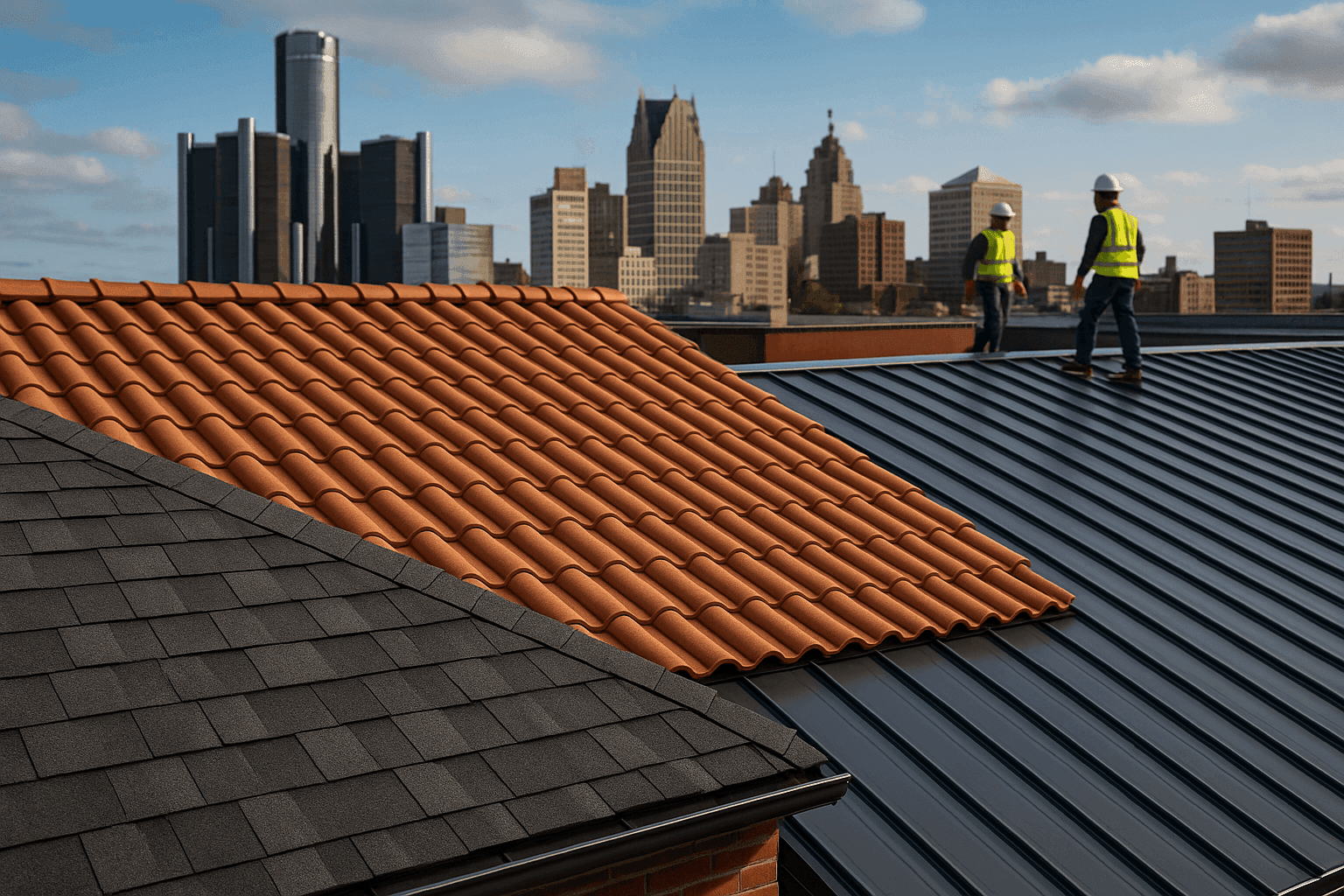
Choosing a new roof is like picking the right pair of shoes for a big journey. The wrong fit can lead to blisters, headaches, or even an early trip back to the store. At Platinum Construction, we see it every day—property owners staring up at their roof, wondering if it’s time for a change, and if so, what kind.
You want something durable. Something that stands up to storms, heat, and whatever else Mother Nature throws your way. But you also want a roof that matches your style, fits your budget, and won’t keep you up at night with worries about leaks or repairs. Let’s break down the options: shingle, tile, and metal roofing. We’ll walk you through the facts—no empty promises, just solid info.
Why the Right Roofing Material Matters
Your roof is more than a hat for your building. It’s the first line of defense against wind, rain, hail, and sun. The material you choose will affect not just how your property looks, but how it performs for years to come. Some roofs are lightweight and easy to repair. Others are heavy but nearly indestructible. Each comes with its own set of tradeoffs.
Shingle Roofing: The Familiar Favorite 🏡
Asphalt shingles are everywhere for a reason. They’re like the blue jeans of roofing—versatile, affordable, and familiar.
Durability
- Typically rated for wind speeds up to 110–130 mph (per manufacturer specs).
- Impact-resistant options available, but standard shingles can be vulnerable to hail.
Weather Resistance
- Good at shedding water, provided installation is tight and flashing is solid.
- Susceptible to algae in humid climates; choose algae-resistant types if needed.
Maintenance Needs
- Easy to inspect and repair—most leaks are simple fixes.
- Occasional shingle replacement after storms or heavy winds.
Cost
- Lowest upfront cost among major roofing types.
- Easy to find “Decking near you” for quick repairs or upgrades.
Typical Lifespan
- 15–30 years, depending on quality and climate (source: National Roofing Contractors Association).
- Manufacturer warranties often range from 20 to 30 years.
Common Misconceptions
- Noise: Shingle roofs are generally quiet, even in heavy rain.
- Weight: Light enough for almost any structure.
- Repairability: Individual shingles can be swapped out without much fuss.
Tile Roofing: Timeless Curb Appeal 🏰
Tile roofs make a statement. Think of them as the classic sports car—elegant, long-lasting, but a bit more demanding.
Durability
- Clay and concrete tiles can last 50–100 years (according to Tile Roofing Industry Alliance).
- Highly resistant to fire and insect damage.
Weather Resistance
- Excellent for hot, dry climates; tiles don’t warp or rot.
- Heavyweight offers stability in wind, but tiles can crack from large impacts (like hail).
Maintenance Needs
- Inspections needed for cracked or slipped tiles, especially after storms.
- Underlayment may need replacement before the tiles themselves.
Cost
- Higher upfront cost due to material and labor.
- Structure must be assessed to support the weight—may require reinforcement.
Typical Lifespan
- 50+ years routinely; some historic tile roofs last over a century.
Common Misconceptions
- Noise: Tiles are very quiet, even in rain.
- Weight: Heavier than other materials; not all buildings can support them.
- Repairability: Individual tiles can be replaced, but color matching may be tricky with older roofs.
Metal Roofing: Modern, Strong, and Efficient 🏢
Metal roofing is the multi-tool of the roofing world. It’s sleek, tough, and packed with benefits for both homes and businesses.
Durability
- Steel, aluminum, and copper options available.
- Withstands wind speeds over 140 mph (per Metal Construction Association data).
Weather Resistance
- Sheds water and snow with ease—great for all climates.
- Resistant to fire, mildew, insects, and rot.
Maintenance Needs
- Minimal—periodic inspection for fastener integrity and surface wear.
- Paint finishes can fade over decades but are often covered by 30–50 year warranties.
Cost
- Higher upfront cost than shingles, but less than premium tile.
- May reduce long-term energy bills due to reflectivity.
Typical Lifespan
- 40–70 years, depending on material and finish.
- Many manufacturers offer warranties up to 50 years.
Common Misconceptions
- Noise: Modern metal roofs are installed with solid sheathing and insulation, so they’re no louder than other roofs.
- Weight: Lighter than tile and comparable to shingles.
- Repairability: Panels can be replaced, but matching color/fade can be a challenge.
Eco-Friendly Roofing Options 🌱
If sustainability is your priority, you have choices:
- Metal: Often made from recycled material and fully recyclable at end of life.
- Tile: Natural materials, exceptionally long lifespan, low environmental impact over time.
- Cool Shingles: Reflective, ENERGY STAR-rated options available.
- Green/Vegetative Roofs: Best for flat roofs; requires specialized installation.
For all options, proper insulation and ventilation (services we provide) can boost energy savings and comfort. The U.S. Department of Energy recommends considering cool roofing materials to reduce heat absorption.
Comparing Roofing Materials: At a Glance
Imagine a chart with shingle, tile, and metal roofing lined up by:
- Cost
- Lifespan
- Maintenance
- Weather resistance
- Environmental impact
Shingles win on affordability and ease, tile leads on longevity and curb appeal, metal shines for durability and efficiency. But the “best” choice depends on your climate, your building, and your personal priorities.
Matching Material to Your Property
- Residential, pitched roofs: Shingles or tile fit classic styles; metal gives a modern edge.
- Commercial or flat roofs: Metal and membrane systems work well; tile rarely used.
- Historic homes: Tile or specialty shingles preserve character.
- Heavy snow or hail: Metal or impact-resistant shingles handle tough conditions.
- Lightweight structures: Shingles or metal; tile may be too heavy.
Always check local building codes and consult with a licensed professional before making a final decision. The International Building Code and NRCA provide widely used standards.
Frequently Asked Questions
How do I know if my structure can handle a tile roof?
A structural inspection is a must. We can assess your decking and framing and suggest reinforcements if needed.
Are metal roofs really noisy in the rain?
Not if installed with proper decking and insulation. Most people don’t notice any extra noise.
Can I mix roofing materials?
Yes, but transitions (like between metal and shingle) need careful flashing and weatherproofing.
What kind of maintenance does a shingle roof need?
Periodic inspections, clearing debris, and replacing loose or damaged shingles.
Practical Tips for Any Roofing Project
- Schedule regular inspections—especially after storms.
- Clean gutters and downspouts to prevent leaks and ice dams.
- Address leaks promptly to avoid structural damage.
- For flat roofs, ensure proper drainage to prevent ponding.
- Review manufacturer warranty terms before choosing a product.
Local and Seasonal Considerations
Your local climate matters. In areas with frequent hail, consider impact-rated shingles or metal. In hurricane zones, look for wind-rated materials and proper installation. Cold climates? Proper insulation and ventilation are key to avoiding ice dams and condensation.
Season also matters. Some materials are best installed in milder temperatures. Ask about lead times, especially after big storms—demand can spike for decking near you and other roof repair services.
Ready to Talk Roofing?
No two roofs—or property owners—are exactly alike. Whether you’re leaning toward shingles, dreaming of tile, or curious about metal, Platinum Construction is here to help you weigh the options. We handle everything from new roof installation to emergency repairs, for homes and businesses alike.
Call Platinum Construction now — or reach us anytime at 888-850-3798 .