Flat Roofs vs. Pitched Roofs: Pros, Cons, and Maintenance Essentials
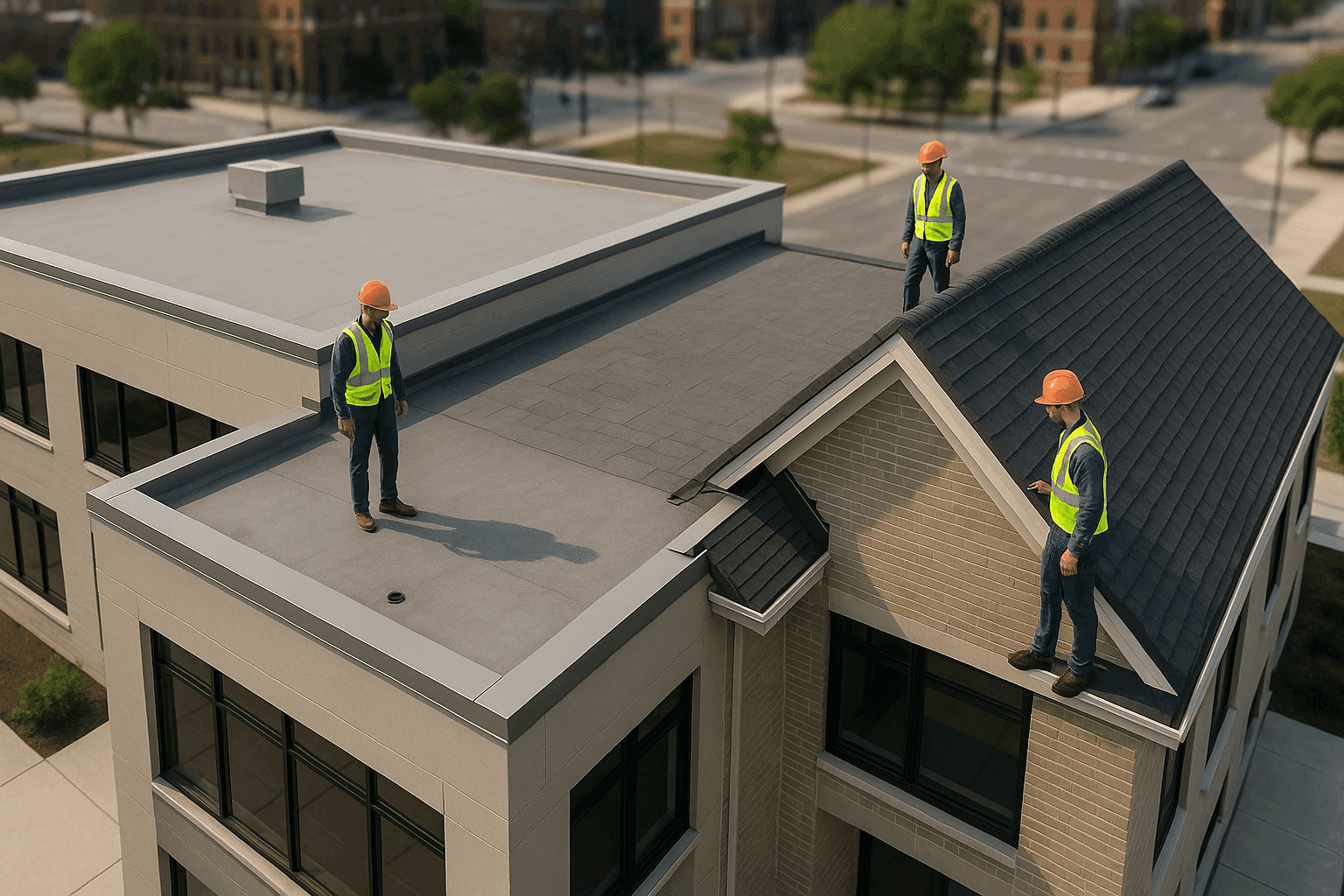
When it comes to roofing, one size never fits all. Choosing between a flat roof and a pitched roof is more than just a design decision—it's about protecting your investment, whether you're managing a busy commercial space or making a house a home.
At Platinum Construction, we've seen how the right roof shape can make all the difference. The wrong choice? That can lead to headaches, surprise expenses, and even code violations. Let’s break down what you need to know—without the sales pitch, just the facts.
Flat Roofs: Advantages and Disadvantages 🏢
Flat roofs have a reputation for modern style and practical use of space. But every roof tells two stories: the good and the challenging.
Cost of Installation
- Budget-friendly upfront. Flat roofs generally cost less to install, especially over large areas. Fewer materials, simpler framing—think of it as building a sturdy table instead of a complicated tent.
- Lower labor costs. Flat surfaces are easier to walk on, which means crews can work faster and safer.
Drainage Solutions
- Needs smart planning. Water doesn’t run off as easily. Flat roofs rely on internal drains, scuppers, or tapered insulation for safe drainage.
- Clogs can be costly. One blocked drain, and water can pool like a puddle after rain. That leads to leaks, especially if gutters or downspouts aren’t inspected regularly.
Energy Efficiency
- Easy to insulate. Flat roofs can be built with thick insulation layers, boosting energy efficiency. This helps keep heating/cooling bills in check, especially for large commercial buildings.
- Cool roofing options. Reflective coatings and membrane materials (like TPO or EPDM) can reduce heat gain.
Lifespan
- Shorter than pitched roofs. Most flat roofs last 10–25 years, depending on material and maintenance. Membranes can degrade under constant sun or standing water.
Repair Frequency
- More frequent fixes. Flat surfaces are more exposed to weather extremes and debris. Small punctures or seam splits can quickly become leaks.
- Regular inspections are a must. At least twice a year, and after major storms.
Common Use Cases
- Commercial buildings. Warehouses, offices, big-box stores.
- Modern homes. Sleek lines, rooftop decks, or green roofs.
- Additions or garages. Where space is tight and style is secondary.
Pitched Roofs: Advantages and Disadvantages 🏠
Pitched roofs are the classic choice—like a raincoat for your building. Sloped designs have protected homes for centuries, and for good reason.
Cost of Installation
- Higher initial investment. More materials, more complex framing, and steeper angles mean more labor.
- Long-term savings. The durability can offset upfront costs over time.
Drainage Solutions
- Gravity does the work. Rain, snow, and leaves slide off easily (mostly). Gutters and downspouts still need care, but water rarely pools.
Energy Efficiency
- Natural ventilation. Attic spaces can be vented, reducing heat buildup.
- Insulation options. More room for insulation, but more surface area means more places for heat to escape if not built right.
Lifespan
- Longer lasting. Asphalt shingle roofs can last 20–30 years. Metal and tile? Sometimes 40–75 years, with proper care.
Repair Frequency
- Fewer issues, but steeper risks. Repairs are less frequent, but when they’re needed, working on a steep roof can be dangerous.
- Wind and storm damage. Shingles can blow off; flashing can bend—especially after big storms.
Common Use Cases
- Traditional houses. Suburban homes, farmhouses, cottages.
- Historic buildings. Churches, schools, libraries.
- Areas with heavy snow or rain. The slope means less risk of leaks or collapse.
Unique Maintenance Challenges
No matter the roof shape, every system has its quirks. Here’s what to watch for:
- Flat roofs:
- Watch for ponding water after storms.
- Inspect seams and flashing at least twice a year.
- Clean debris from drains, gutters, and downspouts every season.
- Pitched roofs:
- Check for missing or damaged shingles after wind or hail.
- Inspect attic for leaks or signs of moisture.
- Make sure gutters are clear—overflow can damage siding or foundations.
Safety Notes
- Both roof types require fall protection and safe ladder use.
- Check local building codes (like International Residential Code or OSHA guidelines) before making changes.
Which Roof Type Is Right for You?
It comes down to your building, your climate, and your budget.
- Commercial buildings: Flat roofs maximize usable space. Great for HVAC units or rooftop gardens.
- Modern homes: Flat roofs create a sleek look and can support solar panels or decks.
- Traditional residences: Pitched roofs offer classic curb appeal and better performance in heavy rain or snow.
Consider:
- Local weather. Heavy snow? Pitched is safer. Mild, dry climate? Flat may be fine.
- Future plans. Need space for HVAC or solar? Flat roofs help.
- Long-term costs. Factor in both installation and ongoing maintenance.
Flat Roofs: Maintenance Essentials
Preventing Leaks
- Schedule professional inspections every spring and fall.
- Reseal seams and flashing as needed.
- Keep drains, gutters, and downspouts clear—blockages are the #1 cause of flat roof leaks.
Dealing With Damage
- Act fast. Small punctures or tears can quickly spread.
- Use appropriate patch materials for your roof type (EPDM, TPO, PVC, etc.).
- If water enters the building, dry out the area and call for help immediately.
Pitched Roofs: Maintenance Essentials
Shingle and Tile Care
- Replace loose or missing shingles right away.
- Clean out valleys and flashing to prevent water backup.
- Inspect after severe weather.
Gutter Health
- Clean gutters twice a year—spring and fall.
- Check for leaks at seams or joints.
Attic and Ventilation
- Make sure attic vents are open and unobstructed.
- Look for signs of mold or moisture.
Cost of Installation, Lifespan & Repairs
Flat Roofs
- Installation: Lower initial cost per square foot.
- Lifespan: 10–25 years with proper care.
- Repairs: More frequent, but usually less expensive per repair.
Pitched Roofs
- Installation: Higher upfront cost.
- Lifespan: 20–75 years, depending on material.
- Repairs: Less frequent, but can be pricier due to complexity and safety.
Typical Use Cases: Real-World Examples
- Commercial office: Flat roof, TPO membrane, regular professional inspections.
- Modern home addition: Flat roof with deck, EPDM membrane, intensive drainage maintenance.
- Classic family home: Pitched asphalt shingle roof, annual attic checks, and biannual gutter cleaning.
Practical Tips
- Always use proper fall protection—never risk a fall.
- Schedule annual professional inspections. DIY can miss hidden leaks or early signs of rot.
- Keep trees trimmed back from the roof to prevent debris buildup.
- Use code-compliant flashing and sealants (refer to local codes and manufacturer specs).
References
- International Residential Code (IRC)
- National Roofing Contractors Association (NRCA)
- OSHA Safe Work Practices
Frequently Asked Questions
Will a flat roof leak more than a pitched roof?
Not if it's built and maintained properly. But flat roofs have less forgiveness for neglect. Regular inspections are key.
Are flat roofs good for heavy snow areas?
Generally, no. Heavy snow can build up and stress the structure. Pitched roofs shed snow better.
How often should I have my roof inspected?
Twice a year is recommended—spring and fall. Also after major storms.
Can I turn my flat roof into a deck?
Sometimes, but only if it’s designed for that use and meets local building codes.
Seasonal Considerations
- Spring: Check for winter damage—especially after snow or ice.
- Summer: Watch for heat damage, especially on flat roofs.
- Fall: Clean gutters and drains, prep for rain and falling leaves.
- Winter: Inspect after storms. Remove ice dams and heavy snow from pitched roofs.
For any roof—flat or pitched—routine care prevents surprises. If you’re not sure where to start, or you spot signs of trouble, don’t wait.
Call Platinum Construction now — or reach us anytime at 888-850-3798 .