Hiring a Roofing Contractor: 10 Questions Every Property Owner Should Ask
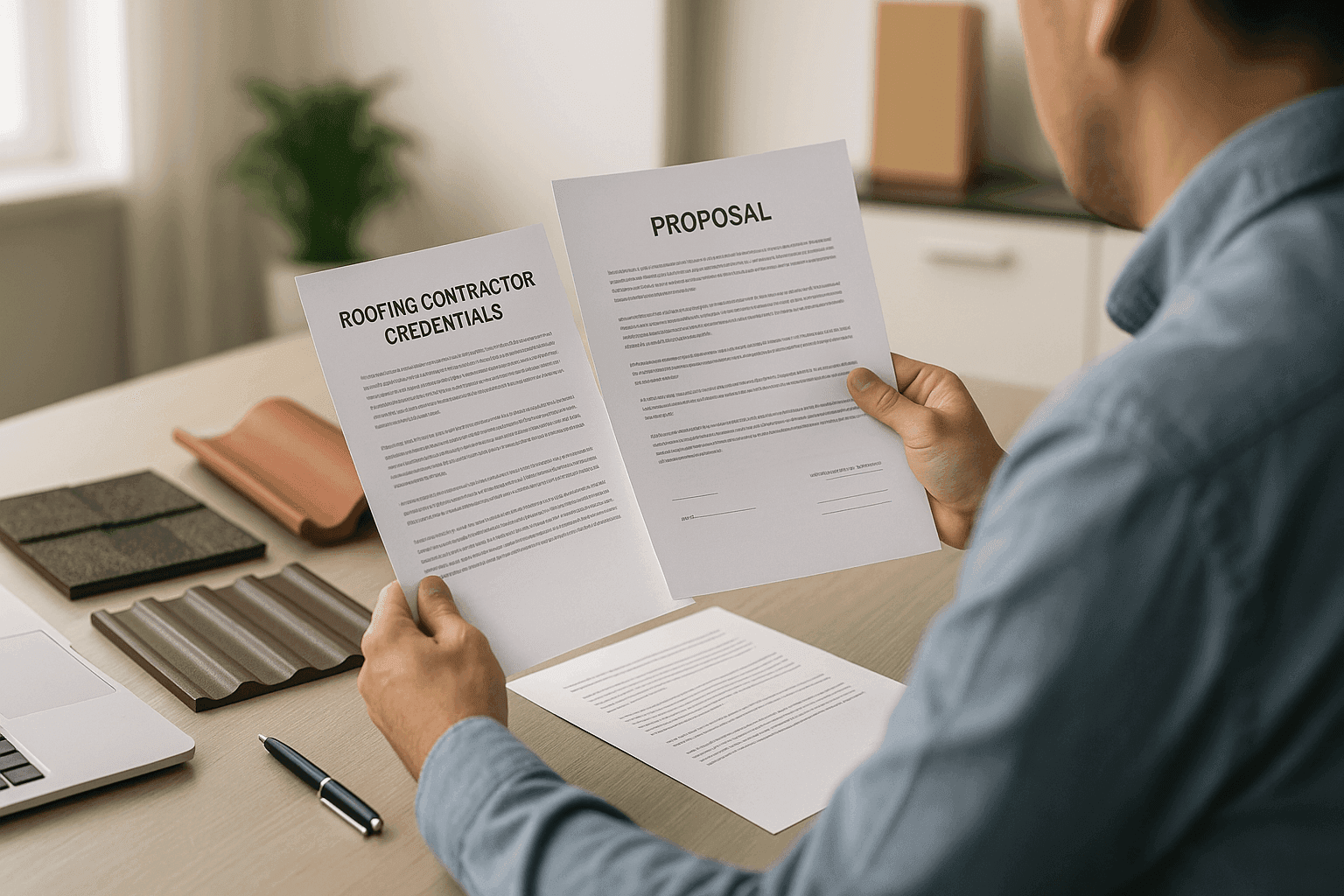
You only replace a roof a handful of times in your life—if you're lucky. Whether you need storm damage restoration, leak repair, or a brand new system, knowing whom to trust can feel overwhelming. The stakes are high: a misstep could mean costly repairs, headaches, or even safety hazards.
At Platinum Construction, we believe every property owner should feel confident and informed before signing any roofing contract. Here’s how you can protect your investment and get the results you deserve.
Why Contractor Vetting Matters 🏠
Hiring a roofing contractor isn't just about finding someone who can swing a hammer. Your roof protects everything beneath it—family, memories, business assets. One wrong choice can lead to shoddy work, voided warranties, or even legal trouble. The construction industry, according to the National Roofing Contractors Association (NRCA), is fraught with unlicensed operators and insufficient insurance.
A good contractor is like a sturdy umbrella in a storm: reliable, protective, and built to last. By asking the right questions, you can separate true pros from those just passing through.
The 10 Essential Questions
1. Are You Licensed for Roofing in My Area?
What to ask:
“Can you show proof of your roofing license?”
Why it matters:
Licensing requirements vary by state and municipality. Licensed contractors are tested on local building codes and safety, giving you peace of mind.
What to look for:
- An up-to-date license matching their business name.
- Willingness to show documentation.
- Knowledge of local permitting and inspection needs.
2. Do You Carry General Liability Insurance and Workers’ Compensation?
What to ask:
“Can you provide certificates of insurance?”
Why it matters:
Without proper insurance, you could be liable for accidents or property damage. The Occupational Safety and Health Administration (OSHA) recommends always verifying coverage before any work begins.
What to look for:
- Active general liability and workers’ comp policies.
- Certificates issued directly from their insurer, not just a copy.
3. What Warranties Do You Offer?
What to ask:
“What does your warranty cover—and for how long?”
Why it matters:
Warranties are your safety net for faulty materials or workmanship. Some cover only materials, while others include labor.
What to look for:
- Written warranties for both materials and labor.
- Clear explanation of what voids the warranty.
4. Who Will Be Onsite, and How Is the Project Supervised?
What to ask:
“Who manages the crew each day? Will there be a foreman onsite?”
Why it matters:
A well-supervised site means fewer mistakes and safer work. You deserve to know who’s responsible for daily progress.
What to look for:
- Named supervisor or foreman.
- Accountability and clear lines of communication.
5. Can You Provide References from Recent Projects?
What to ask:
“Can I speak to property owners you’ve worked with recently?”
Why it matters:
Firsthand stories reveal more than polished photos. References let you hear about punctuality, professionalism, and cleanup.
What to look for:
- Willingness to share multiple references.
- Recent projects, not just those from years ago.
6. Do You Follow Local Building Codes and Obtain Permits?
What to ask:
“How do you ensure compliance with local codes and permitting?”
Why it matters:
Improper permits or ignored codes could result in fines, delays, or denied insurance claims. The International Building Code (IBC) sets minimum standards, but your city or county may have stricter rules.
What to look for:
- Detailed knowledge of area requirements.
- Handling permits themselves, not leaving it to you.
7. What Is the Project Timeline—Start to Finish?
What to ask:
“When will you start, and how long will the project take?”
Why it matters:
Clear timelines prevent miscommunication and allow you to plan around weather, deliveries, or access needs.
What to look for:
- Realistic start and finish dates.
- Contingency plans for weather or supply delays.
8. How Will You Protect My Property During the Project?
What to ask:
“What steps will you take to safeguard landscaping, siding, and driveways?”
Why it matters:
Roofing can be messy and disruptive. A professional will lay tarps, use protective barriers, and explain their cleanup process.
What to look for:
- Specific strategies for debris and dust control.
- Daily cleanup commitments.
9. What Is Your Safety Record and What Practices Do You Follow?
What to ask:
“What safety measures do you follow on every job?”
Why it matters:
Falls are the leading cause of construction injuries, per OSHA. Reputable companies train their crews, use harnesses, and never cut corners.
What to look for:
- Regular safety training.
- Written safety policies and incident response plans.
10. Can I Have a Written, Itemized Estimate?
What to ask:
“Will you provide a detailed estimate in writing?”
Why it matters:
A handshake isn’t enough. Itemized estimates protect both sides and set clear expectations for cost, scope, and materials.
What to look for:
- Everything in writing—labor, materials, contingencies.
- Willingness to explain each line item.
Red Flags to Avoid 🚩
When hiring for roofing, decking near you, or any construction task, watch for these warning signs:
- Unwillingness to show licenses, insurance, or references.
- Vague or verbal-only estimates.
- High-pressure sales tactics or demands for full payment upfront.
- No local address or unclear business identity.
- Reluctance to discuss safety or project supervision.
If your gut says something’s off, listen.
How to Compare Quotes Responsibly
Quotes can look as different as storm clouds and blue skies. Here’s how to evaluate them with clarity:
- Item-by-item comparison: Don’t just look at the bottom line. Compare materials, labor, and warranties.
- Ask about payment schedules: Reputable contractors break payments into milestones.
- Check for exclusions: Make sure everything you expect is included—tear-off, disposal, flashing, sealants, and decking.
- Document everything: Keep all communications, estimates, and contracts in writing.
If something isn’t clear, ask. A good contractor will take the time to explain every detail.
Practical Tips for a Safe, Successful Roofing Project
- Take photos of your property before work begins.
- Notify neighbors about upcoming noise and debris.
- Request updates at key milestones (e.g., tear-off completed, underlayment installed).
- Don’t sign completion paperwork until you’ve inspected the work personally.
Final Thoughts
The right questions act as your umbrella—shielding your home or business from rain, wind, and hassle. Document every answer. Get it in writing. And remember: hiring a qualified roofing contractor is a step toward peace of mind, not just a new roof.
Call Platinum Construction now — or reach us anytime at 888-850-3798 .