The Homeowner’s Guide to Roof Ventilation and Insulation for Year-Round Comfort
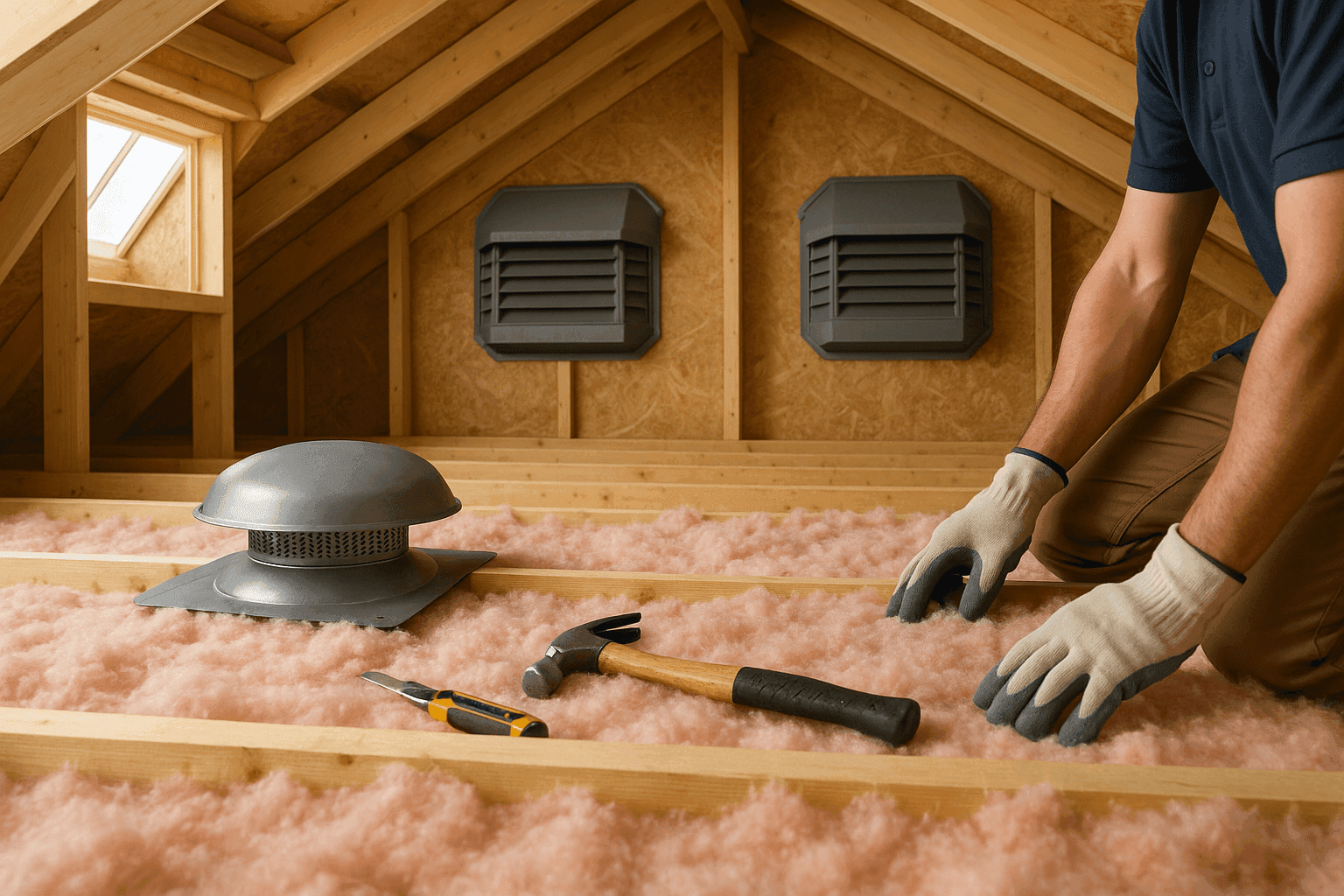
Your roof works harder than you think. It’s the silent guardian that shields your home from pounding rain, icy winds, and blazing sun. But what happens when the air under your roof gets trapped, or your insulation lets heat slip away? Suddenly, comfort vanishes and problems creep in.
At Platinum Construction, we know that proper roof ventilation and insulation aren’t just about comfort—they’re your home’s first defense against costly damage, energy waste, and emergency roofing headaches.
Why Roof Ventilation and Insulation Matter
Imagine your attic as a winter hat for your house. Insulation keeps the warmth in during cold months and blocks heat on scorching days. Ventilation, on the other hand, is like the tiny holes at the top of that hat—it lets your home breathe, driving out moisture and stale air.
Without these two working together, your home can suffer:
- Soaring energy bills
- Mold and mildew growth
- Ice dams in winter
- Premature roof aging
- Unpleasant odors and stuffiness
According to the International Association of Certified Home Inspectors (InterNACHI), poor attic ventilation is a leading cause of roof system failure. The U.S. Department of Energy also emphasizes proper insulation as a key factor in reducing heating and cooling costs.
Spotting Trouble: Signs of Poor Ventilation and Insulation
Sometimes, the symptoms are subtle. Other times, they’re as obvious as a puddle on your living room floor after a storm. Here’s what to watch for:
- Hot or cold spots in rooms below the attic
- Condensation on windows or rafters
- Rusty nails and moldy wood in the attic
- Ice dams forming along the edge of your roof
- Peeling paint or warped siding
- Musty smells that linger, especially after rain
If you notice any of these, your roof’s “hat” might have a few holes—or be too tight for comfort.
Quick Safety Checklist 🛑
Before you head up to the attic or grab a flashlight, keep these safety tips in mind:
- Wear a dust mask and gloves: Attics can harbor insulation fibers and old debris.
- Watch your step: Only walk on joists or boards, never between them.
- Use proper lighting: A headlamp or strong flashlight keeps both hands free.
- Look for signs of pests: Droppings or nests can signal unwanted visitors.
- Never touch exposed wiring: If you see frayed wires or open junction boxes, stop and call a professional.
Safety first. Always.
Understanding Ventilation: Types and How They Work
Ventilation isn’t one-size-fits-all. Different homes need different systems, but the goal is always the same: let fresh air in, push stale air out.
Common Types of Roof Ventilation:
- Ridge Vents: Run along the peak of the roof, nearly invisible from below. They let hot air escape naturally.
- Soffit Vents: Located under the eaves, these pull cool air into the attic.
- Gable Vents: Placed on the walls at the ends of the attic, they allow cross-ventilation.
- Powered Attic Fans: Use electricity to boost airflow, especially helpful in large or complex roofs.
- Roof Louvers and Turbines: Small vents or spinning units that draw air out as wind passes.
The right mix depends on your roof’s shape, the size of your attic, and your local climate. The National Roofing Contractors Association (NRCA) recommends a balanced system—equal intake and exhaust—for best performance.
Insulation: Materials and What Works Best
Insulation acts like a thermal blanket for your home. The most common types include:
- Fiberglass Batts: Fluffy, pink or yellow rolls that fit between joists.
- Blown-In Cellulose: Made from recycled paper, sprayed into place for complete coverage.
- Spray Foam: Expands to fill gaps and cracks, sealing air leaks.
- Rigid Foam Boards: Dense panels used in some new construction or special projects.
Each type has a different R-value—a measure of how well it resists heat flow. The higher the R-value, the better the insulation. The U.S. Department of Energy provides guidelines for recommended R-values based on climate zones.
How to Assess Your Attic’s Condition
Ready to take a look? Here’s a step-by-step guide:
- Wait for daylight: Bright natural light helps you spot trouble.
- Open the attic hatch carefully: Listen for rustling—critters may be present.
- Inspect insulation depth: Most attics need at least 10–14 inches of insulation. If you can see joists, you likely need more.
- Check for dark streaks or moisture: These are signs of leaks or condensation.
- Look for blocked vents: Insulation or debris can clog soffit or ridge vents, reducing airflow.
- Feel for drafts: On a windy day, check for air leaks around pipes, chimneys, or attic hatches.
If you see mold, wet insulation, or signs of roof leaks, it’s time to call in emergency roofing help.
DIY vs. Call a Pro
Some homeowners love a good project. Others would rather leave it to the professionals. Here’s how to decide:
DIY Might Be Right If:
- You’re topping up existing insulation (like adding batts or blowing in cellulose).
- You’re clearing minor blockages from vents.
- You’re comfortable working in tight, dusty spaces.
Call a Pro If:
- You find mold, wet insulation, or structural damage.
- You see signs of animal infestation.
- You need to install new ventilation systems or repair roof decking.
- You’re unsure about local building codes or safety standards.
Remember, working in attics can be dangerous. If in doubt, don’t risk it.
What Pros Do On Arrival
When you call Platinum Construction, here’s what you can expect:
- Thorough inspection: We check the attic, roof surface, and ventilation paths.
- Moisture and mold assessment: Identifying hidden leaks or condensation.
- Insulation evaluation: Measuring thickness, coverage, and R-value.
- Ventilation system check: Ensuring intake and exhaust vents are open and balanced.
- Thermal imaging (if needed): Spotting cold spots or air leaks invisible to the eye.
- Code compliance: Making sure your roof meets current safety and energy standards.
We follow guidelines from the National Roofing Contractors Association and the Occupational Safety and Health Administration (OSHA) to keep your home—and our crew—safe.
Prevention & Maintenance Tips 🧰
A little attention goes a long way. Here’s how to keep your roof system in top shape, season after season:
- Spring: Clear debris from gutters and downspouts. Look for signs of winter damage.
- Summer: Check attic temperatures. If it feels like a sauna, your ventilation may need help.
- Fall: Inspect for leaves or nests blocking vents. Add insulation before cold weather hits.
- Winter: Watch for ice dams or condensation. Address leaks promptly to prevent mold.
Schedule a professional inspection every few years, or after major storms. Preventative maintenance beats emergency roofing calls every time.
Costs & Time Factors
Every home is different, but here’s what to expect:
- Ventilation upgrades: Installing ridge or soffit vents can take a day or two, depending on roof size and complexity.
- Insulation projects: Adding or replacing attic insulation usually takes less than a day for most homes.
- Costs: Materials and labor vary based on attic size, insulation type, and roof accessibility. While upfront costs can seem steep, energy savings often pay back the investment within a few years.
Remember, cutting corners now can lead to expensive repairs later.
When It’s an Emergency
Sometimes, the roof doesn’t wait for a convenient time. If you notice:
- Water dripping from light fixtures or ceilings
- Sudden spikes in humidity or musty odors
- Warped or sagging roof decking
- Mold spreading quickly
It’s time for emergency roofing help. Quick action can prevent serious structural damage and protect your family’s health.
FAQ: Common Questions About Roof Ventilation & Insulation
How much insulation do I really need?
The Department of Energy recommends at least R-38 for attics in most climates. That’s about 10–14 inches of fiberglass or cellulose.
Can I add new insulation over old?
Usually, yes—as long as the old insulation is dry and mold-free. Don’t cover up problems, though. Address moisture or pest issues first.
Do attic fans replace the need for vents?
No. Fans can help, but they work best as part of a balanced system with intake and exhaust vents.
Will better ventilation lower my energy bills?
Absolutely. By keeping your attic cooler in summer and drier in winter, your HVAC system doesn’t have to work as hard.
Special Considerations for Roof Ventilation & Insulation
- Older homes: May have outdated insulation or no vapor barrier. Upgrades can make a huge difference.
- Flat roofs: Need specialized ventilation and insulation to prevent moisture traps.
- Skylights and chimneys: These features can be weak spots for leaks or air loss. Proper flashing and sealing are crucial.
- Eco-friendly options: Consider recycled or sustainable insulation materials for a greener home.
The right approach depends on your roof’s age, style, and your family’s needs. Code requirements and safety standards (like those from ASTM International) should always be followed.
A healthy roof means a healthy home. Don’t let hidden attic problems steal your comfort or your peace of mind. For inspections, upgrades, or emergency roofing services, Call Platinum Construction now — or reach us anytime at 888-850-3798 .